


kamlujan963704
About kamlujan963704
Mortgage Information We will All Be taught From
 There is a version of the housing market story that gets told over and over, and it goes like this: prices are high, rates are high, nothing is affordable, and the only people buying are the ones with cash. That version is not wrong, exactly. It is just incomplete.
The arithmetic here is brutal and worth understanding clearly. A buyer who financed a $400,000 home at three percent in 2021 pays roughly $1,686 per month on principal and interest. That same loan at a seven percent rate costs $2,661. That gap of nearly a thousand dollars a month is why transaction volume has fallen to levels not seen in decades. Volume collapsed. Prices mostly did not.
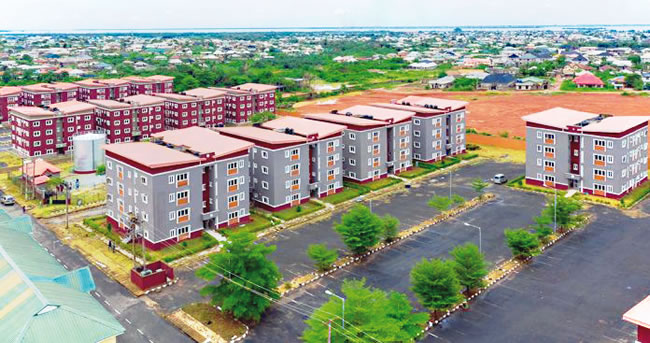 Affordability, by the standard measure of what share of median household income goes toward the monthly payment on a median-priced home, is near its worst level since the early 1980s. That is a real problem, and it is not going away quickly. A market can stay unaffordable for longer than most buyers expect to wait. What it means, practically, is that the buyer who can close confidently has more leverage than the headline numbers suggest.
Before you look at a single listing, get your mortgage pre-approval completed and in hand. Not a rough estimate. Not a verbal confirmation from a loan officer you met once. A full pre-approval based on verified income, tax returns, bank statements, and a hard credit pull. Any agent worth working with will tell you the same thing: no pre-approval, no offer.
 If the report surfaces problems that go well beyond normal wear and tear, you have real choices, and walking away is a legitimate one of them. You can ask the seller to repair specific items before closing. The one thing to avoid is accepting everything uncritically because you are afraid of losing the deal.
 A seller with a specific need will sometimes take less money from a buyer who gives them what they actually want. Deal structure has won more competitive situations than overbidding has.
 The timing question, whether to buy now or wait for prices to pull back, is the one that trips up more buyers than any other single factor. The record on market timing for owner-occupied housing is not encouraging. The more useful question is not whether now is the right time in the abstract; it is whether the home works for your actual life for the next five to seven years.
Real estate rewards preparation more than it rewards timing. The market does not wait for the ideal moment, and neither should buyers who have done the work. A look at real estate listings and pricing data in your target area costs nothing and tells you a great deal.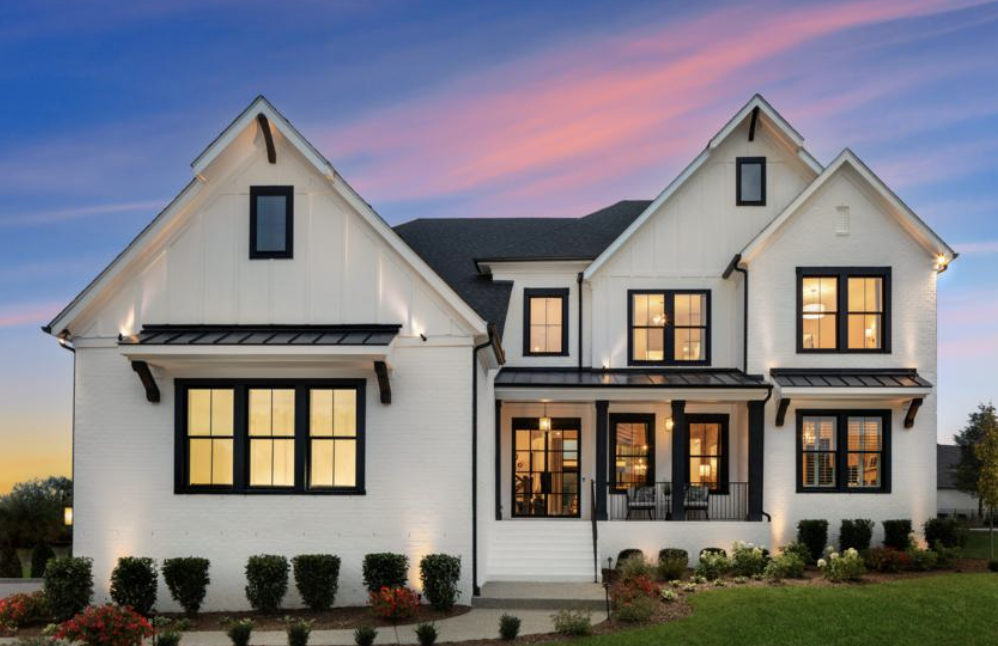
No listing found.